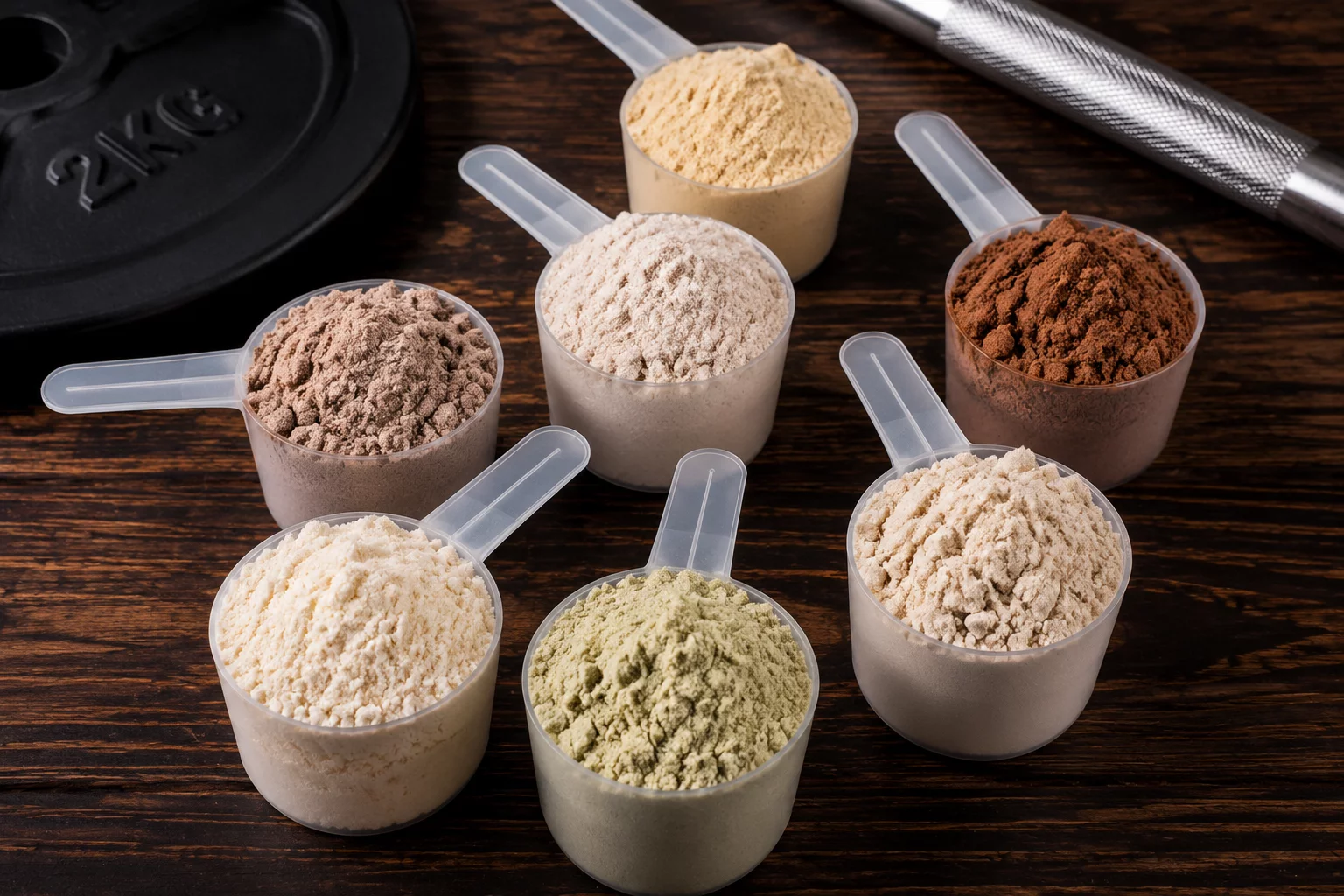
Selecting an effective protein powder involves matching your digestive tolerance, workout regimen, and macronutrient targets with the correct amino acid profile.
Navigating the wide selection of fitness supplements often leaves active individuals puzzled about which protein source truly delivers optimal results. Whether you aim to build lean muscle mass, speed up post-workout recovery, or simply meet your daily macronutrient targets, selecting the right protein source makes a measurable difference. From fast-absorbing whey isolate to slow-digesting casein and hypoallergenic plant blends, each variant serves distinct metabolic purposes throughout your training schedule.
Key Principles for Daily Performance
Protein quality hinges on its complete amino acid profile, particularly the concentration of essential branched-chain amino acids like leucine. Whey isolate undergoes advanced microfiltration to eliminate virtually all lactose, carbohydrates, and fats, making it ideal for rapid post-exercise absorption and sensitive stomachs. In contrast, micellar casein forms a gel in the digestive tract that releases amino acids steadily over six to eight hours, making it an outstanding nighttime choice to support continuous muscle protein synthesis while you rest.
"Consistent nutrition habits combined with proper recovery routines form the true foundation of active energy and daily stamina."
Plant-based formulations have advanced significantly in both taste and bioavailability. High-grade combinations of pea protein, brown rice protein, and organic pumpkin seed isolate provide a full spectrum of essential amino acids without triggering lactose sensitivity. Inspecting the ingredient list is critical: clean formulas prioritize high protein concentration per scoop while avoiding artificial fillers, excessive maltodextrin, and synthetic emulsifiers.
Practical Steps to Implement
- Assess your personal digestive tolerance and choose cold-filtered whey isolate or pea-and-rice plant blends if dairy causes discomfort.
- Match your intake timing to training demands: consume fast-acting whey immediately post-workout and steady-release casein before extended rest periods.
- Check third-party purity certifications to confirm a clean nutritional profile delivering at least 22 to 25 grams of protein per standard serving.
Consistency and ingredient quality remain the true drivers of physical progress. Incorporate your chosen protein into whole-food smoothies, morning oats, or quick post-gym shakes to support steady athletic endurance and lean recovery.
Reader Discussion
4 CommentsMarcus Sterling
Verified Buyer08/10/2026 • Purchased: NitroBlend 5000
Incredibly practical protein guide
This breakdown cleared up all my confusion between whey isolate and micellar casein. Switching to cold-filtered isolate completely solved my post-workout bloating.
Elena Rostova
Verified Buyer08/15/2026 • Purchased: BioClean Multi-Nutrient Matrix
Great plant-based comparison
As someone following a plant-focused diet, understanding how pea and rice proteins complement each other to create a complete amino profile was invaluable.
David Chen
Verified Buyer08/18/2026 • Purchased: ApexDrive BCAAs
Solid recommendations on leucine content
Checking for adequate leucine per serving was a tip I had never considered before. It made selecting my next training tub much simpler.
Leave a Comment & Rating
Share your athletic feedback or nutrition experience with our active community.